Alternative medicine practices A holistic approach to health and well-being

Alternative medicine practices

Embark on a journey through the realm of Alternative medicine practices, where unconventional therapies meet traditional healing methods to create a unique tapestry of wellness.

From mental health to beauty trends, this exploration delves into the diverse ways alternative medicine impacts our lives.

Mental Health and Alternative Medicine Practices

Alternative medicine practices play a significant role in contributing to mental health healing by offering holistic approaches that focus on the mind-body connection. These practices often complement traditional mental health treatments and can provide additional benefits to individuals struggling with mental health issues.

Examples of Alternative Therapies

  • Acupuncture: This ancient Chinese practice involves inserting thin needles into specific points on the body to help alleviate symptoms of anxiety, depression, and stress.
  • Yoga and Meditation: These practices help promote relaxation, mindfulness, and stress reduction, which can be beneficial for individuals dealing with mental health challenges.
  • Herbal Supplements: Certain herbs and natural remedies are believed to have calming and mood-stabilizing effects, offering a more natural approach to mental health support.

Benefits of Integrating Alternative Medicine

  • Comprehensive Treatment: Integrating alternative medicine practices with traditional mental health approaches can provide a more holistic and well-rounded treatment plan for individuals.
  • Personalized Care: Alternative therapies allow for personalized treatment plans tailored to the individual’s specific needs and preferences, promoting a sense of empowerment and control over their mental health journey.
  • Reduced Side Effects: Many alternative therapies have minimal to no side effects compared to traditional medications, making them a safer option for some individuals.

Healing Arts in Alternative Medicine

The role of healing arts in alternative medicine practices is crucial for promoting holistic well-being and relaxation. These practices focus on the belief that the body has the ability to heal itself when provided with the right tools and environment.

Acupuncture

Acupuncture is a traditional Chinese medicine practice that involves inserting thin needles into specific points on the body to stimulate energy flow. This modality is believed to help balance the body’s energy, or qi, and promote healing. Acupuncture is commonly used to alleviate pain, reduce stress, and improve overall well-being.

Reiki

Reiki is a Japanese technique that promotes stress reduction and relaxation through the laying on of hands. Practitioners believe that they can transfer energy to the patient to promote healing and balance. Reiki is often used to reduce anxiety, improve sleep, and enhance emotional well-being.

Sound Therapy

Sound therapy involves the therapeutic use of sound to promote healing and relaxation. This can include listening to music, chanting, or using instruments such as singing bowls or tuning forks. Sound therapy is believed to help reduce stress, improve focus, and restore balance to the body and mind.

Health Beauty and Alternative Medicine

Alternative medicine practices have a significant impact on health beauty trends, offering natural remedies and holistic approaches to enhance overall well-being. The connection between inner health and outer beauty is a core principle in alternative medicine philosophies, emphasizing the importance of balance and harmony in achieving radiant skin, healthy hair, and overall beauty.

Examples of Natural Beauty Remedies

  • Using essential oils like lavender or tea tree oil for skincare to reduce inflammation and promote healing.
  • Incorporating turmeric into beauty routines for its anti-inflammatory properties, helping to achieve a clear and glowing complexion.
  • Applying aloe vera gel to soothe and hydrate the skin, reducing redness and irritation.

Connection Between Inner Health and Outer Beauty

Alternative medicine emphasizes the idea that beauty is a reflection of one’s internal health. By focusing on improving overall well-being through practices like acupuncture, herbal medicine, and mindfulness techniques, individuals can achieve a natural and radiant beauty that comes from within. When the body is in balance and free from toxins, it manifests in healthy skin, hair, and nails, enhancing outer beauty.

Health Hypertension and Alternative Medicine

Hypertension, also known as high blood pressure, is a common condition that can lead to serious health issues if not properly managed. Alternative medicine approaches offer natural and holistic methods to help individuals control their hypertension and improve their overall well-being.

Alternative Therapies for Managing Hypertension

  • Acupuncture: This traditional Chinese medicine practice involves inserting thin needles into specific points on the body to help regulate blood pressure and reduce stress.
  • Herbal Remedies: Certain herbs like garlic, hawthorn, and olive leaf extract have been found to have blood pressure-lowering effects and can be used as supplements to conventional treatment.
  • Yoga and Meditation: Practicing yoga and meditation techniques can help reduce stress, lower blood pressure, and improve overall cardiovascular health.
  • Dietary Changes: Adopting a healthy diet rich in fruits, vegetables, whole grains, and lean proteins while limiting salt, sugar, and processed foods can have a significant impact on managing hypertension.

Importance of Lifestyle Modifications in Alternative Medicine

Lifestyle modifications play a crucial role in alternative medicine approaches to managing hypertension. By incorporating healthy habits such as regular exercise, stress management techniques, adequate sleep, and avoiding tobacco and excessive alcohol consumption, individuals can effectively control their blood pressure levels and reduce the risk of complications associated with hypertension.

Popular Diets in Alternative Medicine

Alternative medicine practices

In the world of alternative medicine, diets play a crucial role in promoting health and wellness. Let’s explore some of the popular diets endorsed by alternative medicine practitioners and how they can impact overall well-being.

Ketogenic Diet

The ketogenic diet is a high-fat, low-carbohydrate diet that has gained popularity in recent years. It focuses on reducing the intake of carbs and replacing them with healthy fats, leading the body into a state of ketosis. This metabolic state is believed to have various health benefits, including weight loss, improved energy levels, and better mental clarity.

Plant-Based Diet

A plant-based diet emphasizes the consumption of whole, unprocessed plant foods such as fruits, vegetables, nuts, seeds, and grains. This diet is rich in fiber, vitamins, and antioxidants, and is associated with lower risks of chronic diseases like heart disease, diabetes, and certain types of cancer. It is also environmentally sustainable and promotes animal welfare.

Ayurvedic Diet

The Ayurvedic diet is based on the principles of Ayurveda, an ancient Indian system of medicine. It categorizes foods into different groups based on their tastes, energies, and effects on the body. The diet aims to balance the three doshas (Vata, Pitta, and Kapha) to promote overall health and prevent diseases. It emphasizes the consumption of seasonal, organic, and locally sourced foods.

Paleo Diet

The Paleo diet, also known as the caveman diet, focuses on consuming foods that were available to our ancestors during the Paleolithic era. This includes lean meats, fish, fruits, vegetables, nuts, and seeds, while excluding processed foods, grains, dairy, and legumes. Advocates of this diet believe that it can improve digestion, reduce inflammation, and support weight loss.

Final Review

Alternative medicine practices

As we conclude our exploration of Alternative medicine practices, it becomes evident that embracing holistic approaches can lead to a balanced and fulfilling lifestyle.

Helpful Answers

How can alternative medicine practices benefit mental health?

Alternative medicine practices like meditation and acupuncture can help reduce stress and anxiety, promoting mental well-being.

What are some examples of healing arts in alternative medicine?

Healing arts such as acupuncture, reiki, and sound therapy focus on restoring balance and promoting overall wellness.

How do alternative medicine diets differ from mainstream diet trends?

Alternative medicine diets often emphasize whole foods and natural ingredients, focusing on holistic health rather than just weight loss.

Self-care for mental health Nurturing Your Mind and Soul

Selfcare zelfzorg selfish activiteiten

As Self-care for mental health takes center stage, this opening passage beckons readers with entertaining interactive style into a world crafted with good knowledge, ensuring a reading experience that is both absorbing and distinctly original.

Embark on a journey to discover the power of self-care practices in enhancing mental well-being and explore the fascinating realm of mental health healing arts.

Self-care Practices

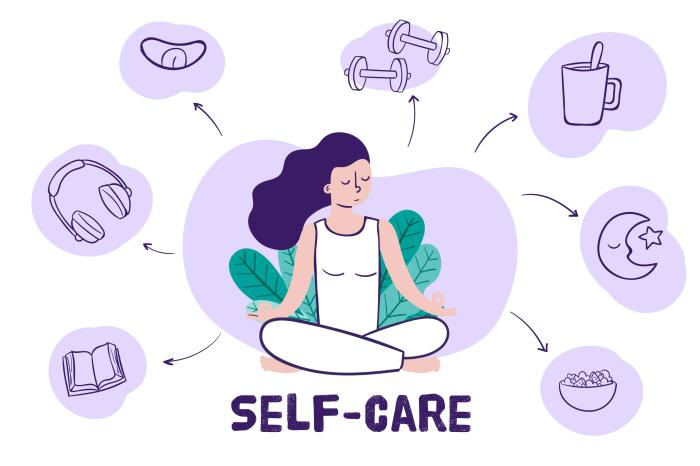
Self-care practices are essential for maintaining good mental health and overall well-being. By incorporating self-care routines into daily life, individuals can reduce stress, improve mood, and enhance their quality of life. Here are some self-care practices that can contribute to improved mental health:

Mindfulness Meditation

Mindfulness meditation involves focusing on the present moment without judgment, which can help reduce stress and anxiety.

Physical Exercise

Engaging in regular physical exercise releases endorphins, which can boost mood and reduce symptoms of depression.

Healthy Eating Habits

Eating a balanced diet rich in nutrients can support brain function and improve mental clarity and focus.

Quality Sleep

Prioritizing quality sleep is crucial for mental health, as lack of sleep can negatively impact mood, cognitive function, and overall well-being.

Creative Expression

Engaging in creative activities such as painting, writing, or playing music can be therapeutic and help individuals process emotions.

Social Connection

Maintaining meaningful relationships and connecting with others can provide support, reduce feelings of loneliness, and improve mental health.

Mental Health Healing Arts

Art therapy, music therapy, and dance therapy are forms of healing arts that play a crucial role in promoting mental health. Engaging in these activities can help individuals cope with stress, anxiety, and depression by providing a creative outlet for expression and emotional release.

Art Therapy

Art therapy involves using various art forms, such as painting, drawing, and sculpting, to help individuals explore their emotions and improve their mental well-being. Through the creative process, individuals can gain insight into their feelings, develop coping mechanisms, and enhance their self-esteem.

Music Therapy

Music therapy utilizes the power of music to address emotional, cognitive, and social needs. By listening to or creating music, individuals can reduce stress, improve mood, and enhance communication skills. Music therapy is particularly effective in helping individuals with mental health issues connect with their emotions and express themselves in a safe environment.

Dance Therapy

Dance therapy combines movement and expression to promote emotional, physical, and mental well-being. Through dance, individuals can release tension, increase self-awareness, and improve their overall mood. Dance therapy is often used to help individuals build confidence, reduce anxiety, and enhance their sense of self.

Health Beauty

Blessing manifesting

Maintaining personal hygiene and grooming is not just about physical appearance; it also plays a significant role in mental well-being. Taking care of your body and appearance can have a positive impact on your self-esteem and overall mental health.

Connection Between Beauty Routines and Mental Well-being

  • Engaging in beauty routines like skincare, hair care, and grooming can be a form of self-care, helping to reduce stress and anxiety.
  • Feeling clean and presentable can boost your confidence and self-image, leading to a more positive outlook on life.
  • Creating a beauty routine can provide a sense of structure and routine, which is beneficial for mental health.

Tips for Maintaining Personal Hygiene and Grooming for Positive Mental Health

  • Take regular showers or baths to feel refreshed and rejuvenated.
  • Brushing your teeth and maintaining oral hygiene can improve your self-image and confidence.
  • Keep your hair clean and styled in a way that makes you feel good about yourself.
  • Wear clothes that make you feel comfortable and confident.
  • Regular grooming practices like shaving or skincare routines can be relaxing and therapeutic.

Self-image and its Impact on Mental Health

  • Self-image refers to how we perceive ourselves physically and emotionally, which can greatly influence our mental health.
  • Having a positive self-image can lead to higher self-esteem, better relationships, and improved mental well-being.
  • Negative self-image, on the other hand, can contribute to feelings of low self-worth, anxiety, and depression.
  • Practicing self-care through personal hygiene and grooming can help improve self-image and boost mental health.

Health Hypertension

High blood pressure, or hypertension, can have a significant impact on mental health. The relationship between hypertension and mental well-being is complex and interconnected. When left unmanaged, hypertension can lead to increased stress, anxiety, and even depression.

Strategies for Managing Hypertension

  • Adopting a healthy diet rich in fruits, vegetables, and whole grains can help lower blood pressure.
  • Regular physical activity such as walking, swimming, or yoga can improve cardiovascular health and reduce hypertension.
  • Limiting alcohol consumption and avoiding tobacco products are essential for managing hypertension.
  • Practicing stress-reducing techniques like meditation, deep breathing exercises, or mindfulness can help lower blood pressure levels.
  • Monitoring blood pressure regularly and following prescribed medication regimens is crucial for managing hypertension effectively.

Addressing Stress and Anxiety

  • Identifying sources of stress and anxiety in your life can help you develop coping strategies to manage these emotions effectively.
  • Engaging in relaxation techniques such as progressive muscle relaxation or guided imagery can help reduce stress levels and lower blood pressure.
  • Seeking support from friends, family, or mental health professionals can provide valuable assistance in addressing underlying stress and anxiety issues.
  • Practicing self-care activities like spending time in nature, journaling, or engaging in hobbies can promote relaxation and mental well-being.
  • Popular Diets

    The impact of popular diets on mental health is a topic of growing interest as research continues to uncover the connection between nutrition and well-being. It is essential to understand how different diets can influence our mental health and overall quality of life.

    Nutrition plays a crucial role in supporting mental well-being, as the foods we consume can directly affect our brain function and mood. Certain diets, such as the Mediterranean diet and plant-based diet, have been shown to have positive effects on mental health due to their focus on whole foods, fruits, vegetables, and healthy fats.

    Mediterranean Diet

    The Mediterranean diet is known for its emphasis on fresh fruits and vegetables, whole grains, lean proteins, and healthy fats like olive oil. Research has shown that following a Mediterranean diet can reduce the risk of depression and anxiety, as well as improve cognitive function and overall mood. This diet is rich in antioxidants and anti-inflammatory nutrients, which are beneficial for brain health.

    Plant-Based Diet

    A plant-based diet consists of primarily whole, plant-based foods such as fruits, vegetables, nuts, seeds, and legumes. This diet is associated with lower rates of depression and anxiety, as well as improved mental clarity and focus. Plant-based diets are high in fiber, vitamins, and minerals, which are essential for brain function and overall well-being.

    Overall, making dietary changes towards a more plant-based or Mediterranean diet can have a significant impact on mental health by providing the necessary nutrients and antioxidants to support brain function and emotional well-being.

    Wrap-Up

    Selfcare zelfzorg selfish activiteiten

    From embracing self-care routines to delving into healing arts, the discussion on Self-care for mental health leaves you inspired to prioritize your mental wellness and explore new avenues of self-care.

    FAQs

    How often should I practice self-care for mental health?

    It’s recommended to incorporate self-care practices into your daily routine to reap the maximum benefits for your mental well-being.

    Can engaging in healing arts activities really help with managing stress?

    Absolutely! Healing arts activities like art therapy and music therapy have shown to be effective in helping individuals cope with stress and anxiety.

    What role does nutrition play in supporting mental health?

    Nutrition plays a crucial role in supporting mental well-being, and adopting a balanced diet can positively impact your mental health.