Embark on a journey to discover the secrets of reducing blood pressure rapidly through the power of mental health, healing arts, and health beauty tips.
Explore the fascinating realm of relaxation techniques, healing exercises, and beauty routines that can work wonders for your blood pressure levels.
Mental Health

Stress and anxiety have been closely linked to high blood pressure. When we are stressed or anxious, our body releases stress hormones that can cause our blood pressure to rise. Managing mental health is crucial in maintaining healthy blood pressure levels. By reducing stress and anxiety, we can positively impact our overall well-being and lower blood pressure quickly.
Relaxation Techniques
- Deep Breathing: Practice deep breathing exercises to help calm the mind and reduce stress.
- Meditation: Engage in meditation to promote relaxation and lower blood pressure.
- Yoga: Incorporate yoga into your routine to reduce stress and improve overall mental health.
- Progressive Muscle Relaxation: Tense and relax each muscle group in the body to release tension and lower blood pressure.
- Guided Imagery: Visualize calming and peaceful scenes to reduce stress levels and promote relaxation.
Healing Arts
Yoga, meditation, tai chi, art therapy, and music therapy are all part of the healing arts that can play a significant role in lowering blood pressure. These practices focus on promoting relaxation, reducing stress, and improving overall well-being, which can help in managing hypertension.
Yoga for Lowering Blood Pressure
- Yoga poses like Savasana, Sukhasana, and Balasana are beneficial for reducing blood pressure.
- Pranayama, or controlled breathing techniques, can help calm the mind and lower stress levels.
- A regular yoga practice can improve circulation and promote overall cardiovascular health.
Meditation and Tai Chi for Stress Reduction
- Mindfulness meditation and tai chi are effective in reducing stress, which can help in lowering blood pressure.
- These practices focus on being present in the moment and promoting relaxation of both the mind and body.
- Regular meditation or tai chi sessions can have long-term benefits on blood pressure levels.
Art Therapy and Music Therapy for Relaxation
- Engaging in art therapy, such as painting or drawing, can be a creative outlet for stress relief and relaxation.
- Listening to calming music or playing a musical instrument can help reduce anxiety and promote a sense of calm.
- Art therapy and music therapy can be used as complementary approaches to traditional treatments for hypertension.
Health Beauty
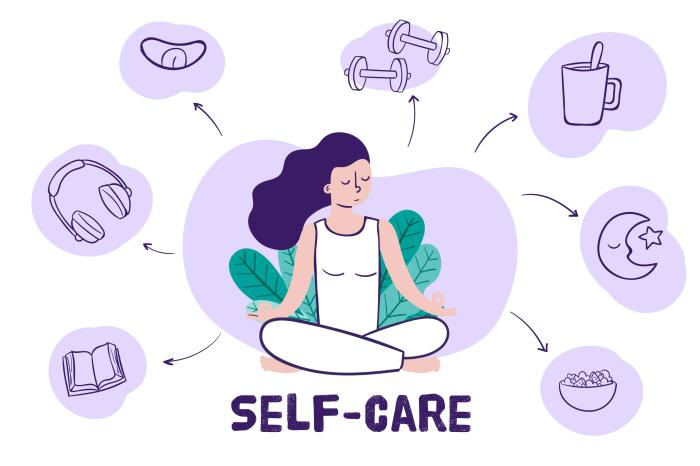
Skincare, beauty routines, and blood pressure are more connected than you might think. Taking care of your skin and overall appearance can have a positive impact on your mental well-being, which in turn can help lower your blood pressure. Self-care practices, such as using aromatherapy or essential oils, can promote relaxation and reduce stress levels, leading to better blood pressure management.
Using Aromatherapy and Essential Oils
Aromatherapy and essential oils have been used for centuries to promote relaxation and improve overall well-being. When it comes to managing blood pressure, certain scents like lavender, rose, and chamomile are known for their calming properties. Here are some tips for incorporating aromatherapy into your routine:
- Diffuse essential oils in your living space or bedroom to create a calming atmosphere.
- Add a few drops of essential oil to a warm bath for a relaxing soak.
- Create a DIY massage oil blend using essential oils known for their stress-relieving properties.
Impact of Physical Appearance and Self-Care
Looking good and feeling good often go hand in hand. When you take the time to care for your skin, hair, and overall appearance, you boost your self-confidence and self-esteem. This positive self-image can lead to reduced stress levels and improved mental health, which can ultimately help in managing your blood pressure. Here are some self-care practices that can contribute to better overall health:
- Establish a consistent skincare routine that includes cleansing, exfoliating, and moisturizing.
- Get regular exercise to improve circulation and promote healthy skin.
- Eat a balanced diet rich in nutrients that support skin health, such as antioxidants and omega-3 fatty acids.
Health Hypertension
Hypertension, commonly known as high blood pressure, is a condition where the force of blood against the walls of the arteries is consistently too high. This can lead to serious health complications if left untreated.
Causes and Risk Factors
- Family history of hypertension
- Poor diet high in salt and saturated fats
- Lack of physical activity
- Obesity or being overweight
- Smoking and excessive alcohol consumption
- Stress and chronic conditions like diabetes and kidney disease
Monitoring Blood Pressure
Regular monitoring of blood pressure is crucial for individuals with hypertension as it helps in managing the condition effectively. It is recommended to check blood pressure at home or at a healthcare provider’s office and keep a record of the readings.
Management Strategies
- Adopting a healthy diet rich in fruits, vegetables, whole grains, and lean proteins
- Engaging in regular physical activity such as brisk walking, swimming, or cycling
- Limiting salt intake and avoiding processed foods high in sodium
- Maintaining a healthy weight and avoiding tobacco and excessive alcohol use
- Taking prescribed medications like ACE inhibitors, beta-blockers, or diuretics as recommended by a healthcare provider
Popular Diets
The role of diet in managing blood pressure is crucial, and there are several popular diets known for their positive effects on hypertension. Two of the most well-known diets for lowering blood pressure are the DASH diet and the Mediterranean diet. These diets emphasize consuming nutrient-rich foods and reducing sodium intake to help regulate blood pressure levels.
DASH Diet
The DASH (Dietary Approaches to Stop Hypertension) diet focuses on increasing the intake of fruits, vegetables, whole grains, and lean proteins while limiting high-fat and high-sugar foods. This diet is low in sodium and high in potassium, calcium, and magnesium, which are essential nutrients for maintaining healthy blood pressure levels. Here is a sample meal plan for a day following the DASH diet:
- Breakfast: Oatmeal with berries and almonds
- Lunch: Grilled chicken salad with a side of quinoa
- Snack: Greek yogurt with sliced cucumbers
- Dinner: Baked salmon with steamed broccoli and brown rice
Remember to avoid adding extra salt to your meals and opt for herbs and spices for flavor instead.
Mediterranean Diet
The Mediterranean diet is rich in fruits, vegetables, whole grains, fish, nuts, and olive oil while limiting red meat and processed foods. This diet is associated with lower blood pressure levels due to its focus on healthy fats, fiber, and antioxidants. Here is an example of a Mediterranean-inspired recipe:
- Grilled vegetables with a drizzle of olive oil and balsamic vinegar
- Whole grain couscous with chickpeas and fresh herbs
- Grilled lemon herb chicken breast
- Slice of watermelon for dessert
Remember to stay hydrated and drink plenty of water throughout the day to support healthy blood pressure levels.
Conclusive Thoughts
As we conclude our exploration, remember that a holistic approach encompassing mental well-being, healing practices, and self-care routines can be the key to swiftly lowering your blood pressure and enhancing your overall health.
Question Bank
Can stress and anxiety really impact blood pressure?
Absolutely! Stress and anxiety can lead to elevated blood pressure levels, so managing your mental health is crucial for keeping it in check.
How can art therapy help in reducing blood pressure?
Art therapy can be a powerful tool for relaxation, creativity, and stress reduction, all of which can contribute to lowering blood pressure.
What role does diet play in managing hypertension?
Diet plays a significant role in managing hypertension, with specific diets like the DASH diet and Mediterranean diet known for their positive effects on blood pressure levels.