Salt Intake and Hypertension A Salty Tale of High Blood Pressure

Step into the salty world of Salt intake and hypertension, where a pinch too much may lead to a rise in blood pressure and a sprinkle of knowledge can help you stay healthy and happy. Let’s dive into the savory details of how salt intake affects hypertension and what you can do to keep your blood pressure in check.

From the dangers of high salt consumption to the recommended daily intake levels, this topic is as essential as seasoning to your favorite dish. Get ready to explore the flavorful connection between salt and hypertension!

Salt Intake and Hypertension

Salt intake plays a crucial role in the development of hypertension. Consuming high amounts of salt can lead to an increase in blood pressure, which is a major risk factor for hypertension. It is important to understand how salt intake contributes to this condition and what the recommended daily levels are to prevent its onset.

Relationship between Salt Intake and Hypertension

High salt intake can cause the body to retain excess water, which in turn increases the volume of blood in the bloodstream. This puts extra pressure on the blood vessels, leading to a rise in blood pressure. Over time, this can damage the walls of the arteries and increase the risk of developing hypertension.

How High Salt Intake Contributes to Hypertension

Excessive salt consumption can disrupt the balance of sodium and potassium in the body. This imbalance affects the function of the kidneys, which play a key role in regulating blood pressure. As a result, the blood vessels may become constricted, causing blood pressure to rise.

Recommended Daily Salt Intake Levels

The World Health Organization recommends consuming less than 5 grams of salt per day to prevent hypertension. This equates to about one teaspoon of salt. By reducing salt intake and opting for healthier alternatives, individuals can lower their risk of developing hypertension and other cardiovascular conditions.

Mental Health

High blood pressure, or hypertension, can have a significant impact on mental health. The stress and anxiety that often accompany a hypertension diagnosis can lead to further complications, affecting overall well-being.

Impact on Mental Health

  • Increased anxiety and worry about health
  • Feelings of frustration and helplessness
  • Difficulty concentrating and focusing
  • Negative impact on mood and overall mental well-being

Coping Mechanisms

  • Regular physical activity to reduce stress levels
  • Healthy diet and weight management
  • Engaging in relaxation techniques such as deep breathing or meditation
  • Seeking support from loved ones or a mental health professional

Mindfulness Practices

  • Practicing mindfulness meditation to reduce stress and anxiety
  • Focusing on the present moment and letting go of worries about the future
  • Engaging in mindful eating to promote healthy food choices and reduce emotional eating
  • Using mindfulness techniques to improve sleep quality and overall mental well-being

Healing Arts

Healing arts, such as yoga and meditation, have shown to be beneficial for individuals with hypertension by helping them manage stress levels and promote relaxation.

Yoga and Meditation Benefits

  • Yoga and meditation techniques can help reduce blood pressure and improve heart health by promoting relaxation and reducing stress levels.
  • Regular practice of yoga and meditation can also improve overall mental well-being, leading to better management of hypertension.
  • These healing arts can enhance mindfulness and awareness, allowing individuals to better cope with the challenges of hypertension.

Art Therapy for Stress Reduction

  • Art therapy has been found to be effective in reducing stress levels in hypertensive patients by providing a creative outlet for expression and emotional release.
  • Engaging in artistic activities can help individuals relax, unwind, and reduce anxiety, resulting in lower blood pressure levels.
  • Art therapy can also improve self-esteem and self-awareness, contributing to a positive mindset and better hypertension management.

Success Stories

  • John, a hypertensive patient, incorporated daily yoga practice into his routine and witnessed a significant decrease in his blood pressure readings over time.
  • Sarah, who struggled with stress-related hypertension, found relief through art therapy sessions, which helped her manage her emotions and reduce her anxiety levels.
  • Michael, diagnosed with hypertension at a young age, credits meditation for helping him cope with the challenges of his condition and maintain a healthy lifestyle.

Health Beauty

Sodium potassium blood pressure damage target organ role hypertension heart intake cardiovascular balance studies action disease potential mechanisms health figure

Hypertension can have an impact on skin health and overall beauty. Managing hypertension through lifestyle changes and medication can help improve skin appearance and maintain overall beauty. Let’s explore skincare routines and products suitable for individuals with hypertension, as well as tips for maintaining a healthy lifestyle to enhance beauty while managing hypertension.

Skincare Routines

  • Start with a gentle cleanser to remove dirt and oil without stripping the skin of its natural oils.
  • Use a hydrating moisturizer to keep the skin hydrated and prevent dryness, which can exacerbate skin conditions.
  • Avoid harsh exfoliants and opt for gentle exfoliation methods to avoid irritating the skin.
  • Include sunscreen in your daily routine to protect the skin from UV damage, which can worsen skin conditions.

Skincare Products

  • Look for skincare products that are fragrance-free and hypoallergenic to minimize the risk of skin irritation.
  • Consider using products with ingredients like hyaluronic acid, niacinamide, and vitamin C to promote skin health and radiance.
  • Avoid products with high concentrations of retinol or salicylic acid, as they can be harsh on the skin.

Healthy Lifestyle Tips

  • Follow a balanced diet rich in fruits, vegetables, whole grains, and lean proteins to nourish your skin from the inside out.
  • Stay hydrated by drinking plenty of water throughout the day to keep your skin looking plump and youthful.
  • Engage in regular physical activity to improve circulation and promote overall skin health.
  • Manage stress through relaxation techniques like meditation, yoga, or deep breathing exercises to prevent stress-related skin issues.

Health Hypertension

Salt hypertension sodium health risk death intake dietary high increases outcomes excess impact ppt powerpoint presentation

Hypertension, or high blood pressure, is a common condition that can have serious implications if left untreated. It is crucial for individuals with hypertension to explore different treatment options to manage their condition effectively.

Comparison of Treatment Options

  • Lifestyle Changes: Making modifications to your diet, increasing physical activity, reducing salt intake, and managing stress can help lower blood pressure levels.
  • Medication: There are various types of medications available to treat hypertension, such as diuretics, beta-blockers, ACE inhibitors, and calcium channel blockers.

Importance of Regular Blood Pressure Monitoring

Regular monitoring of blood pressure is essential for individuals with hypertension to track their progress and ensure that their levels are within a healthy range. This can help prevent complications and allow for timely adjustments to treatment plans.

Potential Risks of Untreated Hypertension

  • Increased Risk of Heart Disease: Untreated hypertension can lead to heart attacks, strokes, and other cardiovascular conditions.
  • Damage to Organs: High blood pressure can cause damage to the kidneys, eyes, and other organs over time if left uncontrolled.
  • Risk of Cognitive Decline: Chronic hypertension has been linked to cognitive decline and an increased risk of developing dementia in older adults.

Popular Diets

When it comes to managing hypertension, popular diets like DASH (Dietary Approaches to Stop Hypertension) and the Mediterranean diet have shown promising results. These diets focus on incorporating nutrient-dense foods that are known to help lower blood pressure.

DASH Diet and Hypertension

The DASH diet emphasizes consuming fruits, vegetables, whole grains, and lean proteins while limiting saturated fats and sweets. By following this balanced approach, individuals with hypertension can effectively reduce their blood pressure levels.

Salt restriction plays a crucial role in the DASH diet, as excessive salt intake is linked to high blood pressure. By cutting down on salt and opting for herbs and spices for flavor, individuals can better manage their hypertension.

Mediterranean Diet and Hypertension

The Mediterranean diet is rich in fruits, vegetables, whole grains, fish, and healthy fats like olive oil. This diet has been associated with lower rates of hypertension and cardiovascular disease.

Individuals following the Mediterranean diet can benefit from reduced salt intake by focusing on fresh ingredients and flavorful herbs and spices for seasoning.

Success Stories with Specific Diets

  • John, a 55-year-old man, was able to control his hypertension by following the DASH diet strictly. Within a few months, his blood pressure readings improved significantly, and he was able to reduce his medication dosage.
  • Sarah, a 40-year-old woman, adopted the Mediterranean diet and noticed a positive change in her blood pressure levels. By incorporating more plant-based foods and reducing processed foods, she successfully managed her hypertension.
  • Michael, a 60-year-old individual, combined aspects of both the DASH and Mediterranean diets to create a personalized eating plan. This tailored approach helped him achieve better blood pressure control and overall health.

Wrap-Up

As we wrap up our salty journey through Salt intake and hypertension, remember that moderation is key when it comes to seasoning your health. Keep your blood pressure in check, stay informed, and savor the taste of a healthier lifestyle. Here’s to a salt-sational future with lower blood pressure and greater well-being!

Essential Questionnaire

How does salt intake affect hypertension?

High salt intake can lead to increased blood pressure over time, putting individuals at risk for developing hypertension. It’s essential to monitor salt consumption for better health.

What are the recommended daily salt intake levels to prevent hypertension?

The recommended daily salt intake to prevent hypertension is generally around 2,300 milligrams (about a teaspoon of salt) for most adults. However, individual needs may vary based on health conditions.

Can mindfulness practices help manage stress related to hypertension?

Yes, mindfulness practices like meditation and deep breathing can help individuals with hypertension manage stress levels, leading to better overall well-being and potentially lower blood pressure.
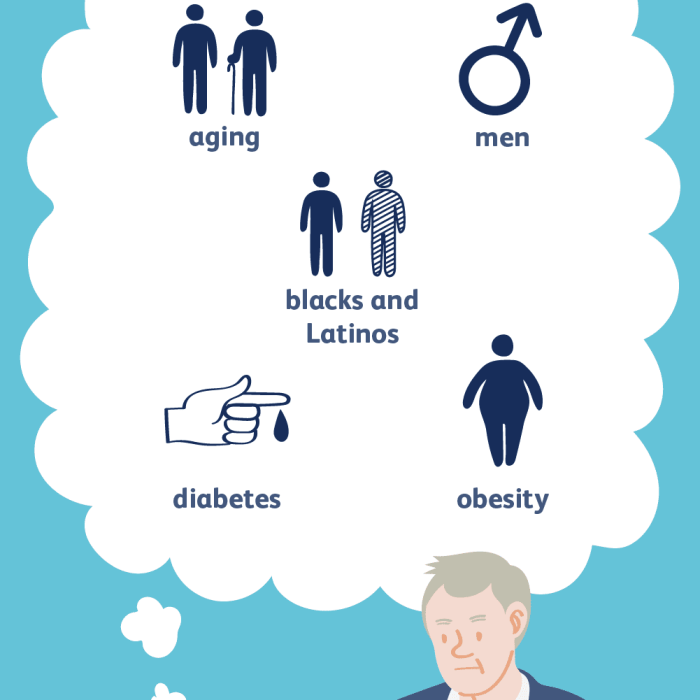
Hypertension Risk Factors Unveiling the Silent Threat

Hypertension risk factors

Step right up to explore the world of hypertension risk factors – a journey filled with surprises, insights, and crucial information that might just save your life.

Get ready to dive into the realm of hidden dangers and discover how hypertension risk factors lurk beneath the surface, impacting lives in unsuspecting ways.

Hypertension Risk Factors

Hypertension risk factors

Hypertension, also known as high blood pressure, is a common condition that can have serious health implications if left untreated. Risk factors for hypertension are characteristics or behaviors that increase the likelihood of developing high blood pressure.

Main Risk Factors Associated with Hypertension

  • Family history: Having a family history of hypertension can increase your risk of developing the condition.
  • Age: As people get older, the risk of developing hypertension increases.
  • Unhealthy diet: Consuming high amounts of salt, fat, and cholesterol can contribute to hypertension.
  • Obesity: Being overweight or obese puts extra strain on the heart and can lead to high blood pressure.
  • Lack of physical activity: Not getting enough exercise can increase the risk of hypertension.
  • Smoking and alcohol consumption: Both smoking and excessive alcohol intake can raise blood pressure levels.

How Hypertension Risk Factors Can Vary Among Different Age Groups

  • In younger individuals, unhealthy lifestyle habits such as poor diet and lack of exercise may play a more significant role in the development of hypertension.
  • As people age, factors like genetics and family history become more important in determining the risk of high blood pressure.
  • Elderly individuals may also be more susceptible to hypertension due to age-related changes in the cardiovascular system.

Mental Health

Mental health plays a crucial role in the development and management of hypertension. The relationship between mental health and hypertension risk factors is a complex one, with stress and anxiety often contributing to the increased risk of developing hypertension.

Stress and Hypertension

Chronic stress can lead to the release of hormones like cortisol and adrenaline, which can constrict blood vessels and increase heart rate. This, in turn, raises blood pressure levels and puts a strain on the cardiovascular system. Over time, this can contribute to the development of hypertension.

Anxiety and Hypertension

Anxiety can also have a significant impact on blood pressure levels. When someone experiences anxiety, their body goes into a “fight or flight” response, leading to increased heart rate and blood pressure. If anxiety is persistent, it can lead to long-term high blood pressure and an increased risk of hypertension.

Coping Mechanisms for Stress Management

  • Engage in regular physical activity to reduce stress levels and promote overall well-being.
  • Practice relaxation techniques such as deep breathing, meditation, or yoga to calm the mind and body.
  • Maintain a healthy diet rich in fruits, vegetables, whole grains, and lean proteins to support mental and physical health.
  • Seek support from friends, family, or a mental health professional to discuss and manage stress effectively.
  • Prioritize sleep and ensure you are getting an adequate amount of rest each night to help manage stress levels.

Healing Arts

Incorporating healing arts into daily routine can have a profound impact on overall health and well-being, including reducing the risk of hypertension. Practices like meditation and yoga have been shown to positively influence hypertension risk factors by promoting relaxation, reducing stress, and improving emotional well-being.

Role of Meditation

  • Meditation involves focusing the mind and eliminating distractions, which can help reduce stress and lower blood pressure levels.
  • Regular meditation practice has been linked to decreased levels of cortisol, a stress hormone that can contribute to hypertension.
  • Studies have shown that mindfulness meditation can improve emotional regulation and increase feelings of inner peace, which can have a positive impact on overall cardiovascular health.

Benefits of Yoga

  • Yoga combines physical postures, breathing exercises, and meditation to promote relaxation and reduce stress levels.
  • Practicing yoga regularly can help improve flexibility, strength, and balance, which are essential for overall health and well-being.
  • Yoga has also been found to lower blood pressure, improve heart health, and enhance mental clarity, all of which can contribute to a lower risk of hypertension.

Real-Life Experiences

  • John, a 45-year-old individual diagnosed with hypertension, started practicing meditation daily and noticed a significant decrease in his blood pressure readings over time.
  • Sarah, a yoga enthusiast, incorporated yoga into her weekly routine and found that her stress levels decreased, leading to better blood pressure control.
  • A study conducted on individuals with hypertension showed that those who participated in a mindfulness meditation program experienced reduced blood pressure and improved overall well-being compared to those who did not practice meditation.

Health Beauty

Beauty practices can play a role in influencing hypertension risk factors. From skincare routines to dietary habits, various lifestyle factors related to beauty can impact overall health. By understanding how these practices can influence hypertension risk, individuals can make informed choices to support their well-being.

Connection between Skincare and Hypertension Risk

  • Regular skincare routines can help reduce stress levels, which is a known risk factor for hypertension. Practices like facial massages or using calming skincare products can promote relaxation and lower blood pressure.
  • Certain skincare ingredients, such as antioxidants found in serums or moisturizers, can have anti-inflammatory properties that may benefit cardiovascular health and reduce hypertension risk.
  • Proper hydration through skincare products like moisturizers can also support overall health, including blood pressure regulation.

Dietary Habits and Beauty Routines

  • Consuming a diet rich in fruits, vegetables, and lean proteins not only supports healthy skin but also contributes to lower hypertension risk. Nutrient-dense foods can help maintain a healthy weight and promote heart health.
  • Avoiding excessive salt intake, a common ingredient in many beauty products, can help prevent hypertension. Reading labels and choosing products with lower sodium content can be beneficial.
  • Incorporating supplements like collagen peptides or omega-3 fatty acids into beauty routines can have additional health benefits that may indirectly reduce hypertension risk.

Tips for Supporting Overall Health through Beauty Routines

  • Practice mindfulness during skincare routines to reduce stress and promote relaxation, which can positively impact blood pressure levels.
  • Choose skincare products with natural ingredients and avoid harsh chemicals that may contribute to inflammation or other health concerns.
  • Stay hydrated by drinking plenty of water and incorporating hydrating skincare products to support skin health and overall well-being.

Health Hypertension

Hypertension risk factors

Regular health check-ups are important in monitoring hypertension risk as they can help detect any changes in blood pressure levels early on. This allows for timely intervention and management to prevent complications associated with hypertension.

Lifestyle Changes vs. Medical Interventions

  • Lifestyle Changes:
    • Adopting a healthy diet low in sodium and saturated fats can help reduce blood pressure.
    • Incorporating regular exercise into your routine can also contribute to better blood pressure control.
    • Limiting alcohol consumption and quitting smoking are important lifestyle changes to manage hypertension risk factors.
  • Medical Interventions:
    • Prescription medications such as diuretics, beta-blockers, and ACE inhibitors may be prescribed to help control blood pressure.
    • In some cases, surgical interventions like angioplasty or stenting may be recommended to treat underlying conditions contributing to hypertension.
    • Regular monitoring and adjustment of medication dosage by healthcare professionals are essential for effective management of hypertension.

Role of Diet and Exercise

  • Diet:
    • A diet rich in fruits, vegetables, whole grains, and lean protein can help lower blood pressure.
    • Reducing salt intake and avoiding processed foods high in sodium is crucial in managing hypertension risk.
    • Monitoring cholesterol levels and maintaining a healthy weight are also important factors in controlling blood pressure.
  • Exercise:
    • Engaging in regular physical activity such as brisk walking, swimming, or cycling can help lower blood pressure.
    • Aim for at least 150 minutes of moderate-intensity exercise per week to improve cardiovascular health and reduce hypertension risk.
    • Combining aerobic exercises with strength training can further enhance the benefits of exercise in managing hypertension.

Popular Diets

The role of diet in managing hypertension risk factors is crucial. Choosing the right diet can significantly impact blood pressure levels and overall cardiovascular health.

DASH Diet

The DASH (Dietary Approaches to Stop Hypertension) diet is a popular eating plan designed to help lower blood pressure. It emphasizes consuming fruits, vegetables, whole grains, and lean proteins while limiting sodium, saturated fats, and added sugars. Studies have shown that following the DASH diet can lead to lower blood pressure and reduce the risk of developing hypertension.

  • The DASH diet is rich in potassium, magnesium, and calcium, which are known to help regulate blood pressure.
  • Reducing sodium intake is a key component of the DASH diet, as high sodium diets are linked to increased blood pressure levels.
  • By focusing on whole, nutrient-dense foods, the DASH diet can support overall heart health and lower the risk of cardiovascular diseases.

It is important to consult with a healthcare provider or a registered dietitian before making significant changes to your diet, especially if you have hypertension or other health conditions.

Choosing a Healthy Diet for Blood Pressure

When it comes to selecting a diet that supports healthy blood pressure levels, consider the following recommendations:

  1. Emphasize fruits, vegetables, whole grains, and lean proteins in your meals.
  2. Limit the intake of processed foods, high-sodium foods, and added sugars.
  3. Choose heart-healthy fats such as those found in nuts, seeds, and olive oil.
  4. Monitor your sodium intake and opt for low-sodium alternatives when possible.

Closing Summary

As we wrap up this rollercoaster ride through hypertension risk factors, remember to stay vigilant, stay informed, and most importantly, stay healthy.

FAQs

What are some lesser-known risk factors for hypertension?

Some lesser-known risk factors include sleep apnea, kidney disease, and certain medications.

Can genetics play a role in hypertension risk?

Yes, genetics can predispose individuals to hypertension, making it important to be aware of family history.

Is hypertension risk higher in certain ethnic groups?

Yes, African Americans, Hispanics, and South Asians are at higher risk of developing hypertension.

Can excessive caffeine consumption contribute to hypertension risk?

Yes, consuming too much caffeine can temporarily raise blood pressure, increasing hypertension risk.

How to lower blood pressure quickly with mental health, healing arts, and health beauty tips

How to lower blood pressure quickly

Embark on a journey to discover the secrets of reducing blood pressure rapidly through the power of mental health, healing arts, and health beauty tips.

Explore the fascinating realm of relaxation techniques, healing exercises, and beauty routines that can work wonders for your blood pressure levels.

Mental Health

Blood pressure days points lowered naturally down was taking after protocol naturopath visited starting update something maryvancenc

Stress and anxiety have been closely linked to high blood pressure. When we are stressed or anxious, our body releases stress hormones that can cause our blood pressure to rise. Managing mental health is crucial in maintaining healthy blood pressure levels. By reducing stress and anxiety, we can positively impact our overall well-being and lower blood pressure quickly.

Relaxation Techniques

  • Deep Breathing: Practice deep breathing exercises to help calm the mind and reduce stress.
  • Meditation: Engage in meditation to promote relaxation and lower blood pressure.
  • Yoga: Incorporate yoga into your routine to reduce stress and improve overall mental health.
  • Progressive Muscle Relaxation: Tense and relax each muscle group in the body to release tension and lower blood pressure.
  • Guided Imagery: Visualize calming and peaceful scenes to reduce stress levels and promote relaxation.

Healing Arts

Yoga, meditation, tai chi, art therapy, and music therapy are all part of the healing arts that can play a significant role in lowering blood pressure. These practices focus on promoting relaxation, reducing stress, and improving overall well-being, which can help in managing hypertension.

Yoga for Lowering Blood Pressure

  • Yoga poses like Savasana, Sukhasana, and Balasana are beneficial for reducing blood pressure.
  • Pranayama, or controlled breathing techniques, can help calm the mind and lower stress levels.
  • A regular yoga practice can improve circulation and promote overall cardiovascular health.

Meditation and Tai Chi for Stress Reduction

  • Mindfulness meditation and tai chi are effective in reducing stress, which can help in lowering blood pressure.
  • These practices focus on being present in the moment and promoting relaxation of both the mind and body.
  • Regular meditation or tai chi sessions can have long-term benefits on blood pressure levels.

Art Therapy and Music Therapy for Relaxation

  • Engaging in art therapy, such as painting or drawing, can be a creative outlet for stress relief and relaxation.
  • Listening to calming music or playing a musical instrument can help reduce anxiety and promote a sense of calm.
  • Art therapy and music therapy can be used as complementary approaches to traditional treatments for hypertension.

Health Beauty

Skincare, beauty routines, and blood pressure are more connected than you might think. Taking care of your skin and overall appearance can have a positive impact on your mental well-being, which in turn can help lower your blood pressure. Self-care practices, such as using aromatherapy or essential oils, can promote relaxation and reduce stress levels, leading to better blood pressure management.

Using Aromatherapy and Essential Oils

Aromatherapy and essential oils have been used for centuries to promote relaxation and improve overall well-being. When it comes to managing blood pressure, certain scents like lavender, rose, and chamomile are known for their calming properties. Here are some tips for incorporating aromatherapy into your routine:

  • Diffuse essential oils in your living space or bedroom to create a calming atmosphere.
  • Add a few drops of essential oil to a warm bath for a relaxing soak.
  • Create a DIY massage oil blend using essential oils known for their stress-relieving properties.

Impact of Physical Appearance and Self-Care

Looking good and feeling good often go hand in hand. When you take the time to care for your skin, hair, and overall appearance, you boost your self-confidence and self-esteem. This positive self-image can lead to reduced stress levels and improved mental health, which can ultimately help in managing your blood pressure. Here are some self-care practices that can contribute to better overall health:

  • Establish a consistent skincare routine that includes cleansing, exfoliating, and moisturizing.
  • Get regular exercise to improve circulation and promote healthy skin.
  • Eat a balanced diet rich in nutrients that support skin health, such as antioxidants and omega-3 fatty acids.

Health Hypertension

Hypertension, commonly known as high blood pressure, is a condition where the force of blood against the walls of the arteries is consistently too high. This can lead to serious health complications if left untreated.

Causes and Risk Factors

  • Family history of hypertension
  • Poor diet high in salt and saturated fats
  • Lack of physical activity
  • Obesity or being overweight
  • Smoking and excessive alcohol consumption
  • Stress and chronic conditions like diabetes and kidney disease

Monitoring Blood Pressure

Regular monitoring of blood pressure is crucial for individuals with hypertension as it helps in managing the condition effectively. It is recommended to check blood pressure at home or at a healthcare provider’s office and keep a record of the readings.

Management Strategies

  • Adopting a healthy diet rich in fruits, vegetables, whole grains, and lean proteins
  • Engaging in regular physical activity such as brisk walking, swimming, or cycling
  • Limiting salt intake and avoiding processed foods high in sodium
  • Maintaining a healthy weight and avoiding tobacco and excessive alcohol use
  • Taking prescribed medications like ACE inhibitors, beta-blockers, or diuretics as recommended by a healthcare provider

Popular Diets

How to lower blood pressure quickly

The role of diet in managing blood pressure is crucial, and there are several popular diets known for their positive effects on hypertension. Two of the most well-known diets for lowering blood pressure are the DASH diet and the Mediterranean diet. These diets emphasize consuming nutrient-rich foods and reducing sodium intake to help regulate blood pressure levels.

DASH Diet

The DASH (Dietary Approaches to Stop Hypertension) diet focuses on increasing the intake of fruits, vegetables, whole grains, and lean proteins while limiting high-fat and high-sugar foods. This diet is low in sodium and high in potassium, calcium, and magnesium, which are essential nutrients for maintaining healthy blood pressure levels. Here is a sample meal plan for a day following the DASH diet:

  • Breakfast: Oatmeal with berries and almonds
  • Lunch: Grilled chicken salad with a side of quinoa
  • Snack: Greek yogurt with sliced cucumbers
  • Dinner: Baked salmon with steamed broccoli and brown rice

Remember to avoid adding extra salt to your meals and opt for herbs and spices for flavor instead.

Mediterranean Diet

The Mediterranean diet is rich in fruits, vegetables, whole grains, fish, nuts, and olive oil while limiting red meat and processed foods. This diet is associated with lower blood pressure levels due to its focus on healthy fats, fiber, and antioxidants. Here is an example of a Mediterranean-inspired recipe:

  • Grilled vegetables with a drizzle of olive oil and balsamic vinegar
  • Whole grain couscous with chickpeas and fresh herbs
  • Grilled lemon herb chicken breast
  • Slice of watermelon for dessert

Remember to stay hydrated and drink plenty of water throughout the day to support healthy blood pressure levels.

Conclusive Thoughts

As we conclude our exploration, remember that a holistic approach encompassing mental well-being, healing practices, and self-care routines can be the key to swiftly lowering your blood pressure and enhancing your overall health.

Question Bank

Can stress and anxiety really impact blood pressure?

Absolutely! Stress and anxiety can lead to elevated blood pressure levels, so managing your mental health is crucial for keeping it in check.

How can art therapy help in reducing blood pressure?

Art therapy can be a powerful tool for relaxation, creativity, and stress reduction, all of which can contribute to lowering blood pressure.

What role does diet play in managing hypertension?

Diet plays a significant role in managing hypertension, with specific diets like the DASH diet and Mediterranean diet known for their positive effects on blood pressure levels.